

A Shopify AI chatbot app came to us with a traffic graph that looked healthy and a signup number that didn’t match it. Three months later, monthly signups had gone from around 100 to around 1,200, roughly a 12x increase, with no redesign, no new feature, and no added ad spend. The fix was entirely in what the existing content was written to answer.
We’re not naming the client here. This is disclosed South Asia Digital work: the diagnosis, the content strategy, and the signup figures below all come from the actual engagement, not a hypothetical.
The short version
- The ask: a Shopify AI chatbot app was getting traffic, but the wrong kind, how-to searches rather than store owners evaluating which app to install.
- The change: we replaced how-to-focused content with comparison and use-case pages built for someone already deciding between specific apps, not someone learning what a chatbot is.
- The result: monthly signups grew from around 100 to around 1,200 over three months, roughly a 12x increase, driven by organic search and AI search together rather than either channel alone.
- Honest caveat: these are rounded figures from one client over one quarter, not an exact Search Console export and not a guaranteed outcome for every app in this category.
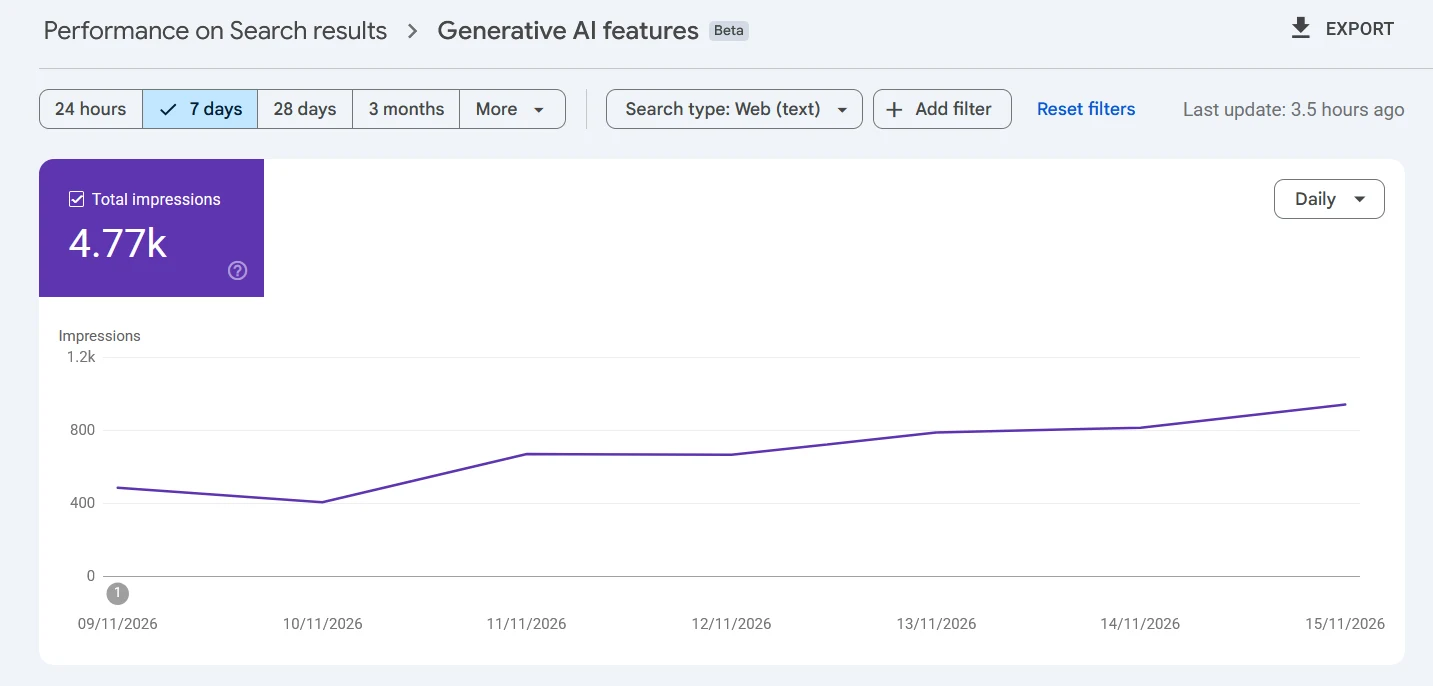
A Search Console screenshot filtered to Google’s Generative AI features report, showing impressions from AI-powered search climbing over a 7-day window.
Why how-to traffic wasn’t converting
The app’s existing content was ranking for broad queries about chatbots in general: what they are, how they work, how to set one up. That traffic looked healthy in a traffic report, but it wasn’t buying traffic. Someone searching “how does a Shopify chatbot work” is usually earlier in their thinking than someone searching for a specific app by name or comparing two or three options before installing one.
This is a common gap for SaaS and Shopify app products specifically: ranking well for the category doesn’t automatically mean ranking for the moment someone is ready to choose a product. Those are different search intents, and they need different pages.
This is also the kind of problem a standard traffic report won’t surface. Impressions were up month over month. Clicks were up. Nothing in a conventional dashboard flagged a problem, because the dashboard only answers “is traffic growing,” not “what decision is this specific visitor trying to make right now.” Catching the gap meant asking the second question instead of trusting the first one.
What we changed
We built comparison pages and use-case pages aimed specifically at store owners who already knew they wanted a chatbot and were deciding which one to install. Comparison content answers “which app handles X better,” not “what is a chatbot.” Use-case content answers “does this work for a store like mine,” covering specific scenarios, order status questions, product recommendations, abandoned-cart follow-up, rather than describing chatbot features in the abstract.
The how-to content wasn’t deleted. It stayed in place for the searches it served, but it stopped being the primary content strategy. The comparison and use-case pages became the pages built to convert a reader into an install, and they were structured the same way we approach AI search visibility generally: self-contained answers to a specific question, not broad category overviews.
We’ve now watched this exact intent gap close the same way twice: once on a brand-new site built with this thinking from the first commit, and once here, on an existing site carrying months of traffic pointed the wrong way. Different starting points, the same underlying fix.
The result
Monthly signups grew from roughly 100 to roughly 1,200 over three months, about a 12x increase. The growth came from organic search and AI search together, not from one channel carrying the other. That combination matters for a Shopify app specifically, since a buyer comparing chatbot apps is increasingly likely to ask an AI assistant to compare options before ever running a traditional search.
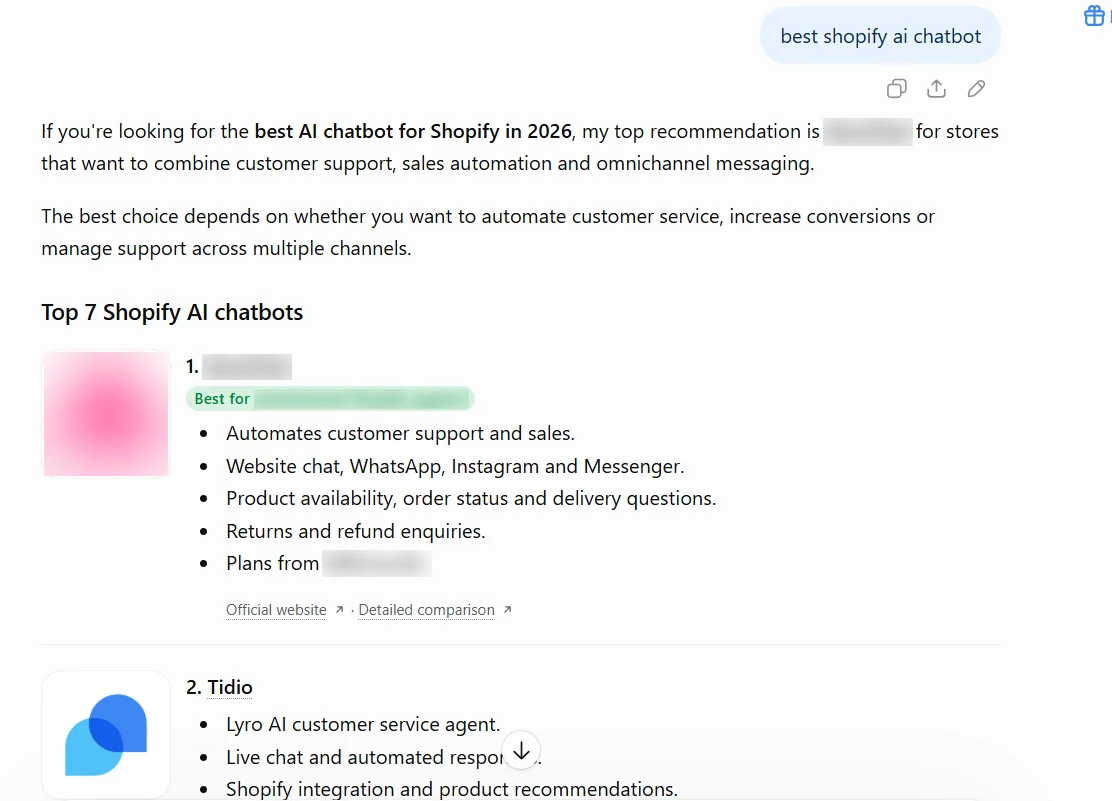
An actual ChatGPT response to “best shopify ai chatbot,” with the app ranked first. Brand name blurred since the client isn’t named in this case study.
We’re presenting these as rounded figures rather than an exact Search Console export, since that’s the level of precision available for this engagement. Where we do have exact Search Console and Analytics data, as with our restaurant SaaS case study, we show it at that precision instead of rounding it down to match.
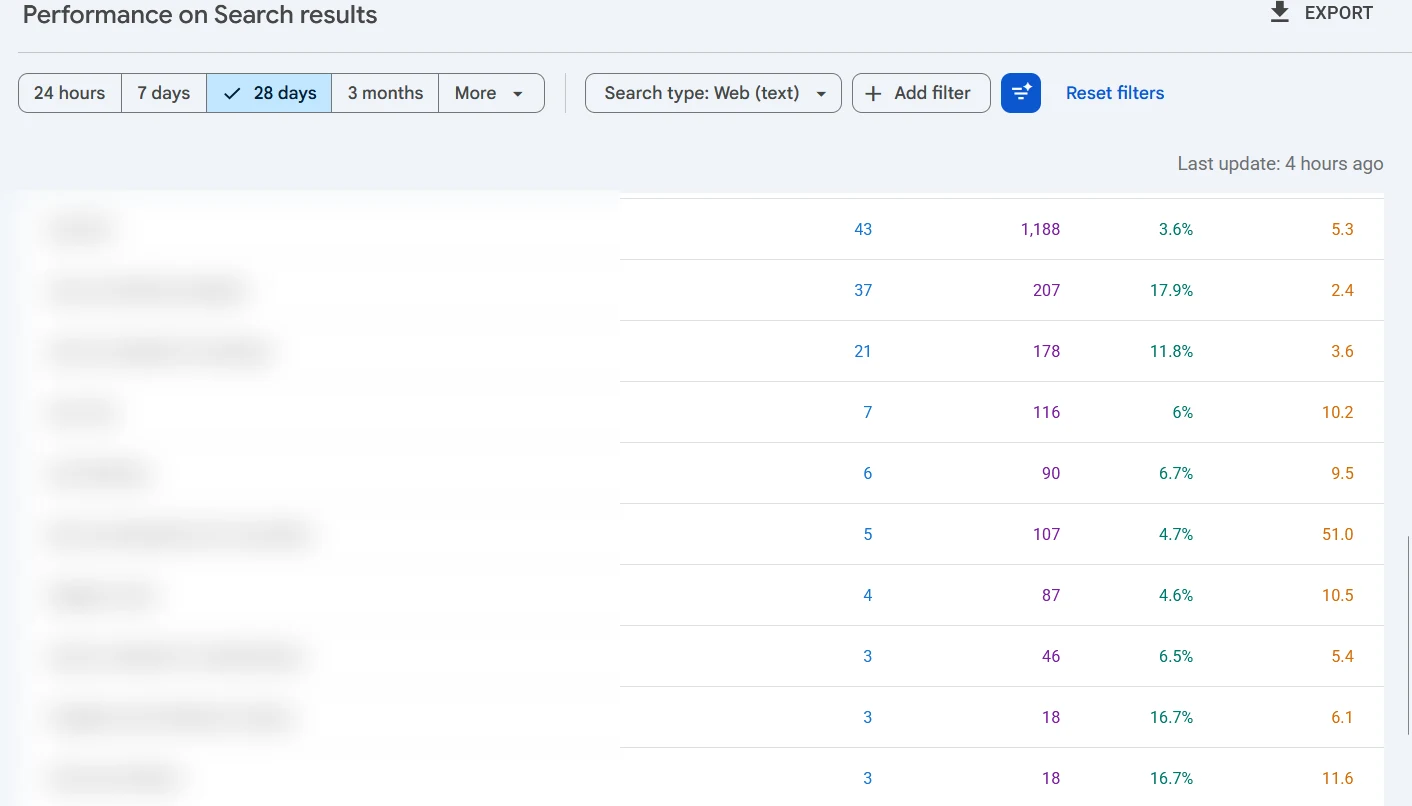
A Search Console screenshot from the engagement. Individual queries are blurred since the client isn’t named in this case study; the click, impression, CTR, and position figures are untouched.
What this doesn’t prove
- These are rounded numbers, not an exact export. ~100 to ~1,200 is the shape of the result, but treat the precise figures as approximate rather than to-the-click Search Console data.
- One quarter is a short window. Three months of strong growth is one result, not a multi-year track record. Growth at this stage can continue, slow, or plateau as the content matures.
- Intent-matching was the whole lever here. This specific fix, comparison and use-case content for a ready-to-install buyer, works because the original content was mismatched to intent. A site that already targets buying intent won’t see the same jump from the same change.
- This is disclosed South Asia Digital client work. We did this content strategy and SEO work ourselves, for a paying client, and we’re the ones publishing this case study. We’re not naming the client, but the vendor relationship is part of the context, not something hidden.
If you want to see this same intent-matching approach applied to a brand-new site rather than an existing one, our restaurant SaaS case study covers that version of the same thinking.
Ranking for Your Category but Not Getting Installs?
This is the same content-intent diagnosis behind the result above, applied to your SaaS or Shopify app’s existing traffic instead of built from a blank page.
Common questions about this case study
Why did how-to content fail to drive signups for this Shopify app?
It was ranking for the wrong search intent. Queries like “how does a chatbot work” come from people learning about the category in general, not store owners actively comparing specific apps and ready to install one. The content was ranking, just not for buyers.
What’s the difference between how-to content and comparison or use-case content?
How-to content explains a concept in general. Comparison content answers which specific option handles a specific need better. Use-case content answers whether a product fits a specific scenario, like order-status handling for a particular type of store. The second two match a buyer closer to the decision, not someone still researching the category.
How much of this growth came from AI search specifically?
We’re reporting organic and AI search together rather than split out, since that’s the precision available for this engagement. What we can say directly is that neither channel alone accounted for the full increase.
Is a 12x signup increase a typical result?
No, and we wouldn’t present it as a standard outcome. This result came from fixing a specific, significant intent mismatch, content ranking for the category rather than for the buying decision. A site that already targets buying intent in its content won’t see the same scale of change from the same fix. If your own traffic is climbing but signups aren’t following it, that mismatch is worth checking before assuming the content strategy is working. If your own traffic is climbing but signups aren’t following it, that mismatch is worth checking before assuming the content strategy is working.
Written by Nadir Yaqoob, founder of South Asia Digital. Nadir has a software engineering background and runs the agency’s AI SEO and GEO work for SaaS and Shopify clients directly.