
Inactive
Simplifying IT
for a complex world.
Platform partnerships
- AWS
- Google Cloud
- Microsoft
- Salesforce
Web design
We build websites for SaaS companies and Shopify brands that load fast, explain clearly what you sell, and are set up for search before launch, not after.
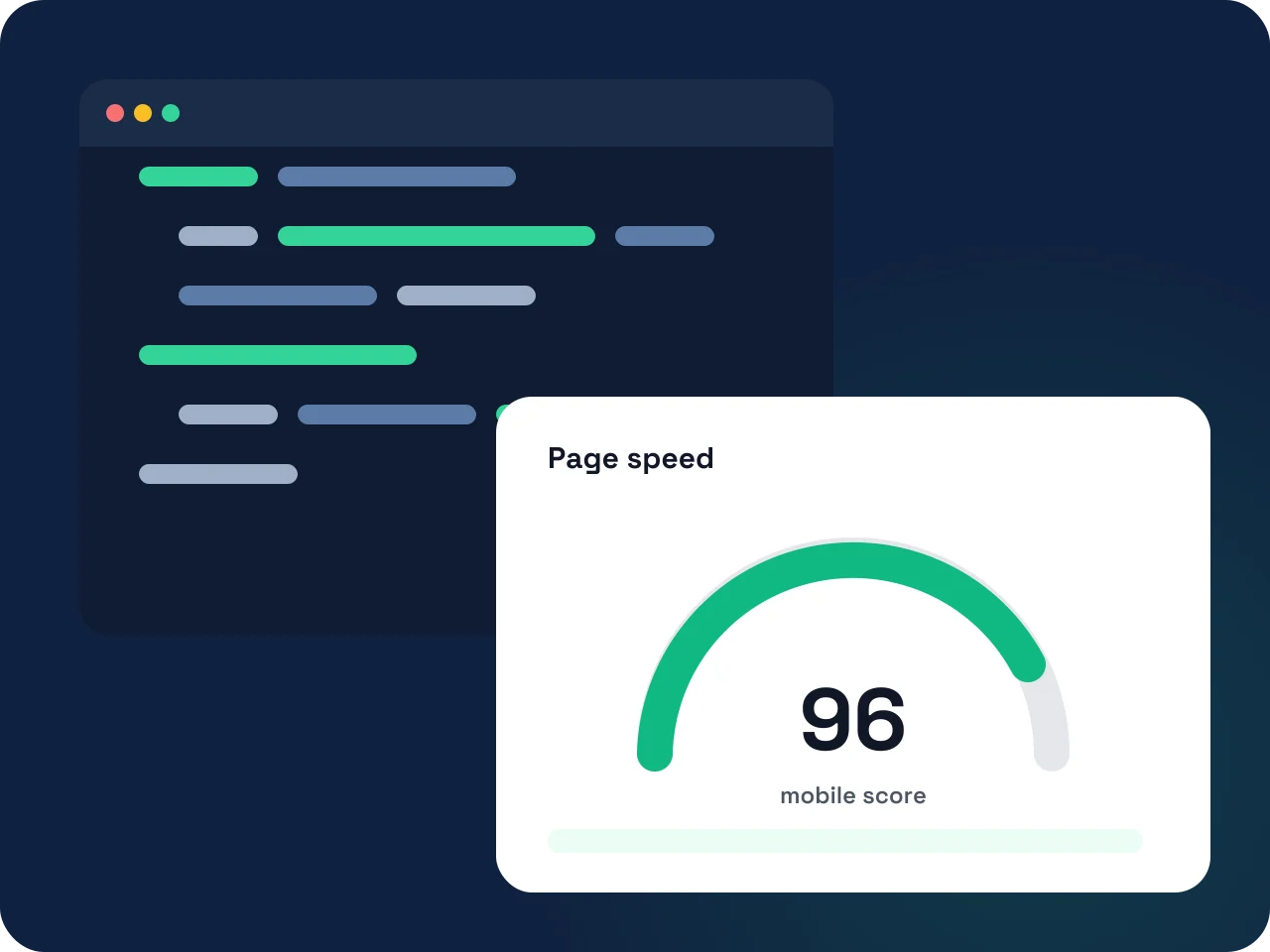
A website project is more than a visual design. Done properly it covers the information architecture and user experience, the visual design itself, a responsive, mobile-first build, SEO set up as the site is built rather than added afterward, performance and Core Web Vitals, and accessibility for visitors using assistive technology.
Leave any one of those out and it shows up later: a site that looks right but loads slowly, ranks worse than the one it replaced, or nobody but the agency can update.
See examples in our case studies, or talk to us directly via contact us if you’re planning a build.
A new site can drop rankings overnight if nobody plans for it.
Every page that changes address needs a 301 redirect, or its rankings are lost.
Pages that ranked get shortened to look cleaner and stop ranking.
Heavy design decisions are hard to undo after launch.
Design, build and SEO in one plan.
What businesses usually want to know before committing to a new site.
WordPress covers most business sites well and keeps editing simple for whoever updates it after launch. A custom build or headless setup makes sense when you need functionality standard themes and plugins can’t handle cleanly.
We pick the platform based on what the site needs to do, not which one we’d rather build in.
URL structure, metadata, internal linking and schema are easiest to get right while the site is being built. Added later, they mean reworking pages that are already live.
This is where a lot of web design projects fall short: the site ships, then SEO becomes a separate project months later.
Someone needs to own content changes once the project ends, a new team member, a product update, a blog post. If that’s you, the site needs to be built so you can do it without calling a developer for every change.
We agree this before the build starts, not after handover.
Pages that already rank need a 301 redirect plan, and content that brings in traffic shouldn’t be cut just to make the new design look cleaner.
A redesign that ignores this can lose months of search visibility in the first week after launch.
Image weight, scripts and hosting decisions made during the build affect load speed long after launch, and speed is part of how Google evaluates a page.
We check this before launch, not after visitors start complaining.
Readable contrast, keyboard navigation and proper markup make a site usable for visitors relying on assistive technology, and they’re far cheaper to build in than to retrofit.
We follow WCAG guidance as a baseline, not an afterthought.
Design and development move through four stages, with SEO built in throughout, not bolted on at the end.
1Week 1
We map the pages you need, how visitors move through them, and the structure based on what your buyers actually search for.
You get: a sitemap and content plan built around real search behaviour.
2Weeks 2–3
Visual design built around your brand, not a generic template, designed mobile-first from the start.
You get: a design you review and sign off before any development starts.
3Build
Development on the platform that fits, with redirects, metadata, schema and migrated content set up as part of the build, not added afterward.
You get: a site that’s already search-ready the day it launches.
4Launch
We test across real devices and browsers, confirm Search Console and analytics are tracking correctly, then hand over full access.
You get: a tested launch and a clear plan for who handles the site next.
Most agencies look similar in a pitch. These checks tell you more than a portfolio does.
Written by Nadir Yaqoob, Founder of South Asia Digital · Last updated October 2026
We set SEO up during the build, not after: URL structure, redirects, metadata and schema are part of development, not a separate project once the site is live. See examples on the case studies page.
We are a Dubai-based agency and we work with clients worldwide. Design and development work is largely remote, so this applies equally wherever your business is based.
Sources we draw on: Google’s Core Web Vitals documentation · W3C’s WCAG accessibility guidelines · Google’s site-migration documentation.
This work is priced by scope, so we’ll give you a fixed quote after a 20-minute call. No hourly surprises.
Not if the migration is planned. That's the part we take most seriously.
Yes. We build it so you can change text and images without us.
It depends on the number of pages and how much custom functionality is involved. We give a realistic timeline after scoping the project, not a generic estimate upfront.
Usually WordPress, since it covers most business sites well and keeps editing simple afterward. We move to a custom or headless build only when the project genuinely needs it.
Pages that already rank get migrated with redirects in place, not cut to make the new design look cleaner. Content that isn't working gets rewritten, not just reused.
We can set it up or work with hosting you already have. Either way, you keep the login and the ownership, not us.
A defined period of fixes and small changes after launch, agreed before the project starts, not an open-ended 'call us if something breaks'.
It depends on the number of pages, how much custom functionality is involved, and whether there's existing content to migrate. We give a fixed quote after a short call rather than billing by the hour.
Book a strategy call. Send us your URL beforehand and we’ll have already looked at it when we talk, so you get specifics, not a sales pitch.